
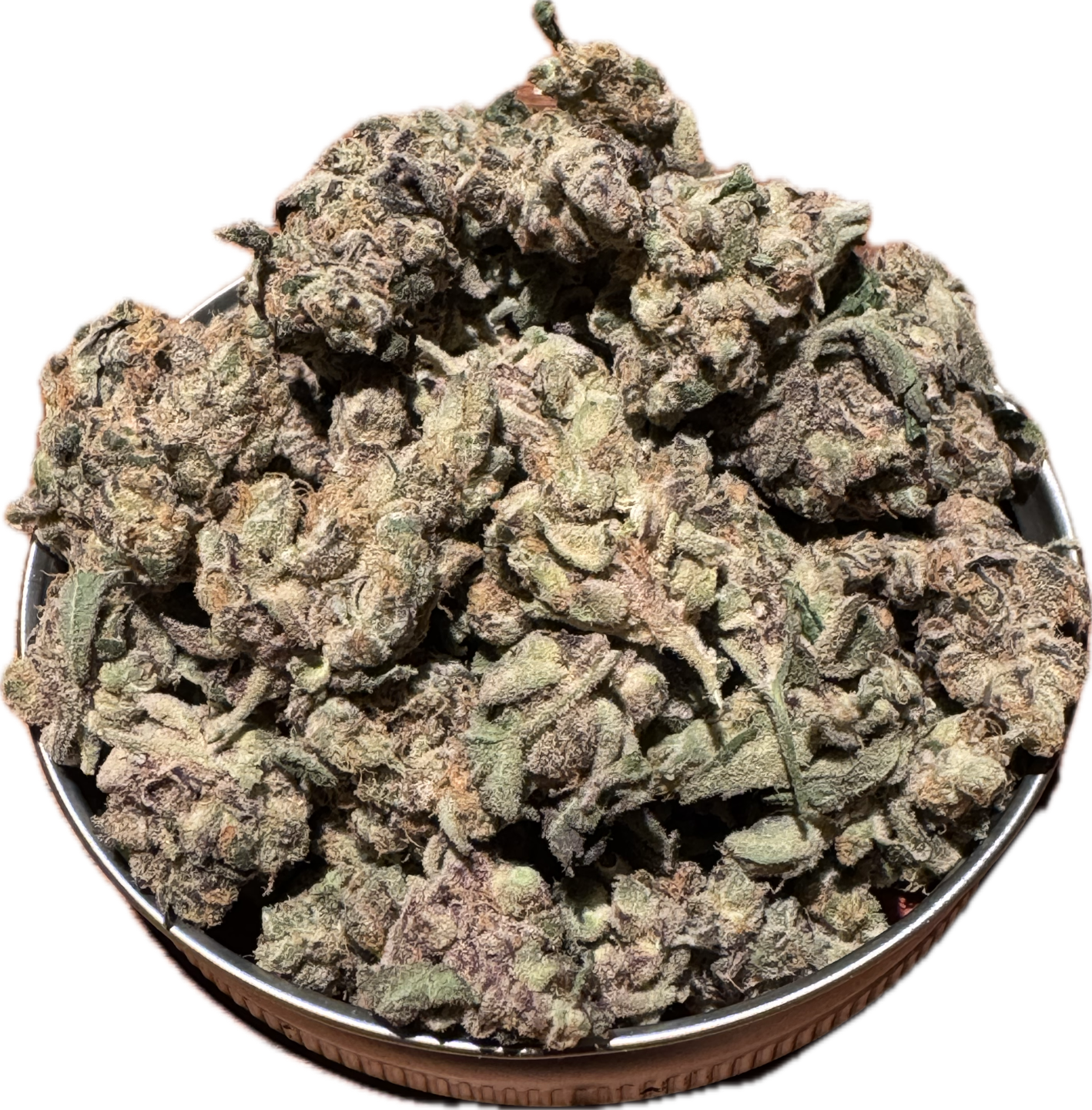
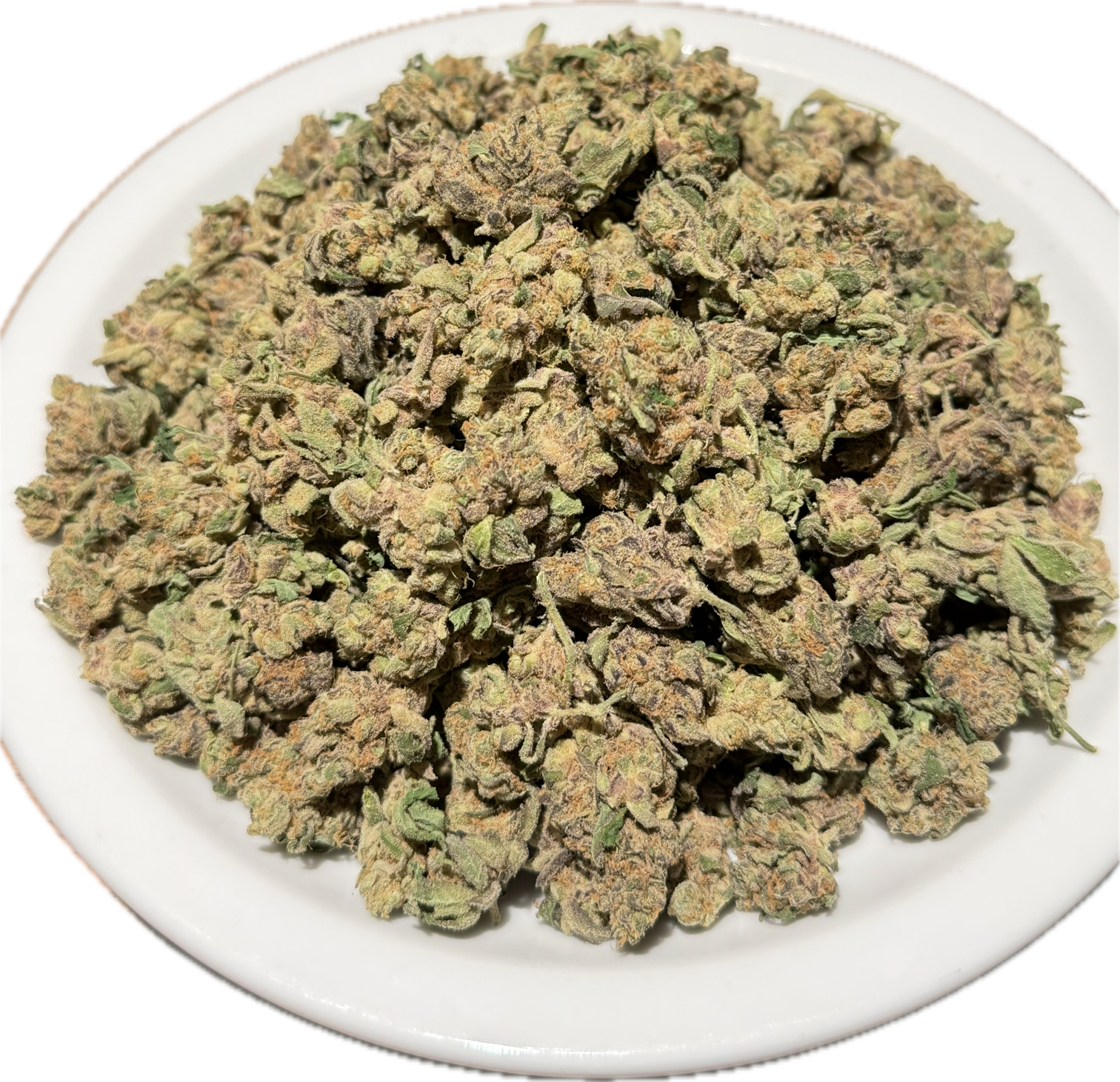
Description
Strain Info
Strain Name: Grape Kush
Grade: AAA+
THC Potency: 18 – 23% Average THC
Type: Hybrid (60% Indica/40% Sativa)
Burn: Smooth burning, clean white ash. Appears to be well flushed.
Primary Aromas:
Grape Krush is an indica dominant hybrid strain and has a 60:40 indica/sativa ratio. The strain belongs to the Blueberry family which explains why it has an exquisite taste and flavor. The buds tend to be dark green in color with hues of purple. You will also notice larger calyxes which is high unusual considering its heritage. On the other hand, the aroma is both musky and sweet. The taste is not that different but it is quite soothing and does not burn your throat during the inhale or exhale. Before giving Grape Krush a try, you need to keep in mind that it is a creeper. The strain is not to be taken lightly and should be consumed in smaller doses. Grape Krush is quite potent and will knock you out if you are not careful. The effects can make you feel sleepy and sedated but you will have a sense of clarity which is something to look forward to. But then again, you will not feel like doing anything else and will restrict yourself from moving even an inch. That being said, it is important for you to keep in mind that the strain is effective in terms of dealing with medical conditions like stress, anxiety, depression and muscle spasms.
Lab Data: Pending
Sample submitted: ‘Grape Kush’ dried cannabis flowers.
Visual Inspection: Free from visible contamination and foreign matter.
Activated vs non-activated: activated cannabinoids are non-acidic (neutral) and are the form utilized by the human brain/ body. Activation occurs via heating (smoking, vaporizing, cooking). Cannabinoids in the natural plant are acidic (non-activated) and need to be converted to their neutral form in order to be utilized by the human body. Therefore one would expect fresh cannabis buds to contain mainly non-activated cannabinoids. Processed materials (baked goods, heated extracts) should be higher in the activated forms.
Absent Cannabinoids: if a cannabinoid or terpene is blank, it is not necessarily absent but below the limit of detection by the detector (usually less than 0.01%).
•when reporting totals, acidic cannabinoids are multiplied by 0.877 to account for loss of mass from decarboxylation upon heating (activating)
*Prices subject to change without notice.
What others are saying
There are no contributions yet.