
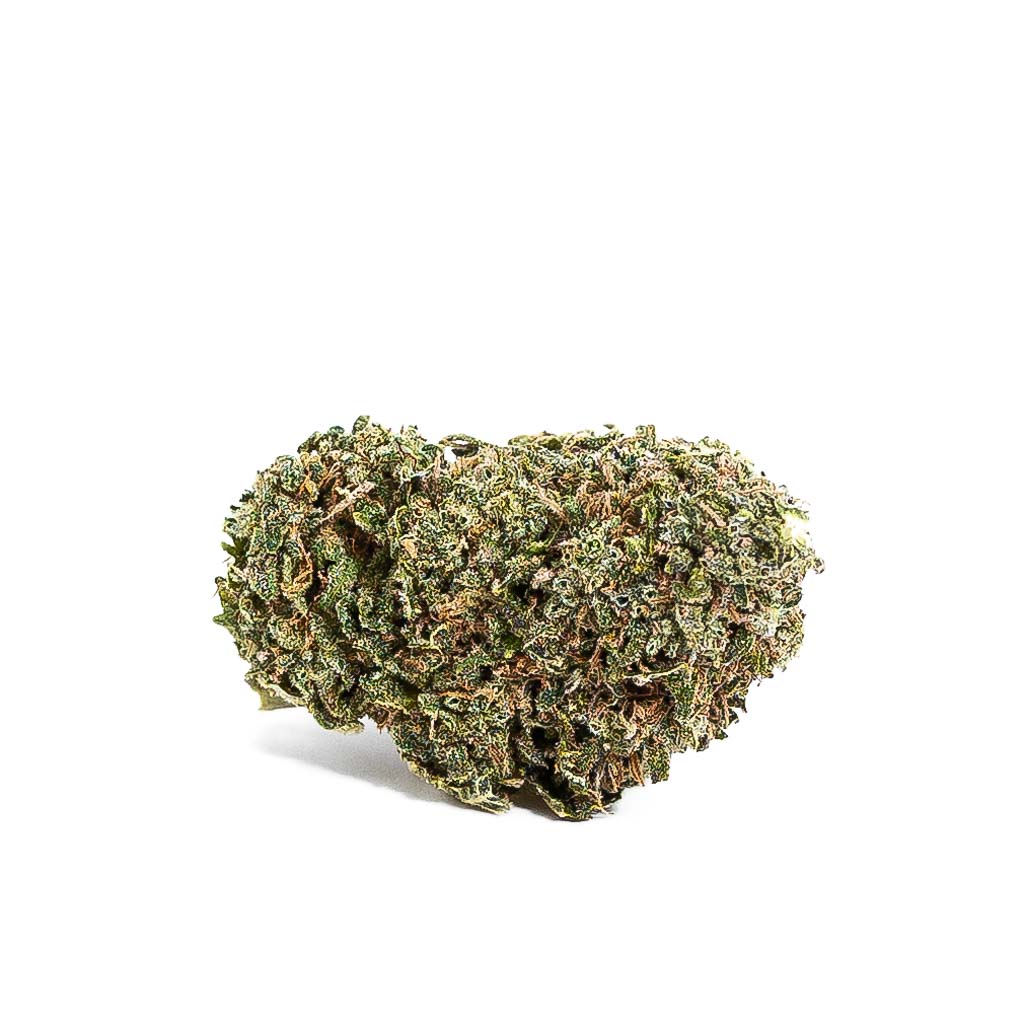

Description
Great White Shark is a very heavy hitting sativa, that offers an indica type body buzz that can come into effect quite quickly. Because of this, even though it is a sativa, do not plan on getting much done when using this strain. It is part of the Super Skunk lineage, in which provides a strong fruity smell that many enjoy. Great White Shark has been known to help with pain.
LAB DATA
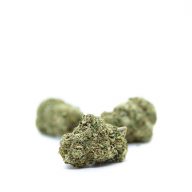
Sample submitted: “Great White Shark” dried cannabis flowers.
Visual Inspection: Free from visible contamination and foreign matter.
Activated vs non-activated: activated cannabinoids are non-acidic (neutral) and are the form utilized by the human brain/ body. Activation occurs via heating (smoking, vaporizing, cooking). Cannabinoids in the natural plant are acidic (non-activated) and need to be converted to their neutral form in order to be utilized by the human body. Therefore one would expect fresh cannabis buds to contain mainly non-activated cannabinoids. Processed materials (baked goods, heated extracts) should be higher in the activated forms.
Absent Cannabinoids: if a cannabinoid or terpene is blank, it is not necessarily absent but below the limit of detection by the detector (usually less than 0.01%).
Cannabis Potency Summary Table:
Three tests of each sample were analysed and summarised below:
|
Cannabinoid Identified |
% by weight |
mg/g |
|
THC (activated) |
1.72 |
17.2 |
|
THC-Acid (not activated) |
11.72 |
117.2 |
|
*THC total (THC-Acid THC) |
12.00 |
120.0 |
|
CBD (activated) |
– |
– |
|
CBD-Acid (not activated) |
– |
– |
|
*CBD total (CBD-Acid CBD) |
– |
– |
|
CBG (activated) |
– |
– |
|
CBG-Acid (not activated) |
0.14 |
1.4 |
|
*CBG total (CBG-Acid+CBG) |
– |
– |
|
THCV (activated) |
– |
– |
|
THCV-Acid (not activated) |
0.07 |
0.7 |
|
*THCV total (THCV-Acid+THCV) |
0.06 |
0.6 |
|
CBN |
– |
– |
|
CBC |
– |
– |
|
Activated Cannabinoid Total: |
12.19 |
121.9 |
|
Alpha Pinene |
0.04 |
0.4 |
| Camphene |
– |
– |
|
Sabinene |
– |
– |
|
Beta Myrcene |
0.46 |
4.6 |
|
Beta Pinene |
0.02 |
0.2 |
|
Alpha Terpinene |
– |
– |
|
Ocimene |
0.04 |
0.4 |
|
Eucalyptol |
– |
– |
|
Limonene |
0.03 |
0.3 |
|
Gamma Terpinene |
– |
– |
|
Sabinene Hydrate |
0.01 |
0.1 |
|
Terpinolene |
– |
– |
|
Linalool |
0.03 |
0.3 |
|
Fenchone |
– |
– |
|
Endo Fenchyl Alcohol |
0.01 |
0.1 |
|
Isoborneol |
– |
– |
|
Menthol |
– |
– |
|
Borneol |
– |
– |
|
Alpha Terpineol |
0.01 |
0.1 |
|
Nerol |
– |
– |
|
Geraniol |
– |
– |
|
Alpha Cedrene |
– |
– |
|
Beta Caryophyllene |
0.22 |
2.2 |
|
Alpha Humulene |
0.07 |
0.7 |
|
Valencene |
– |
– |
|
Cis-Nerolidol |
0.02 |
0.2 |
|
Trans-Nerolidol |
0.01 |
0.1 |
|
Guaiol |
0.05 |
0.5 |
|
Caryophyllene Oxide |
0.03 |
0.3 |
| Cedrol |
– |
– |
|
Alpha Bisabolol |
0.17 |
1.7 |
|
Terpene total |
1.21 |
12.1 |
•when reporting totals, acidic cannabinoids are multiplied by 0.877 to account for loss of mass from decarboxylation upon heating (activating)
What others are saying
There are no contributions yet.